
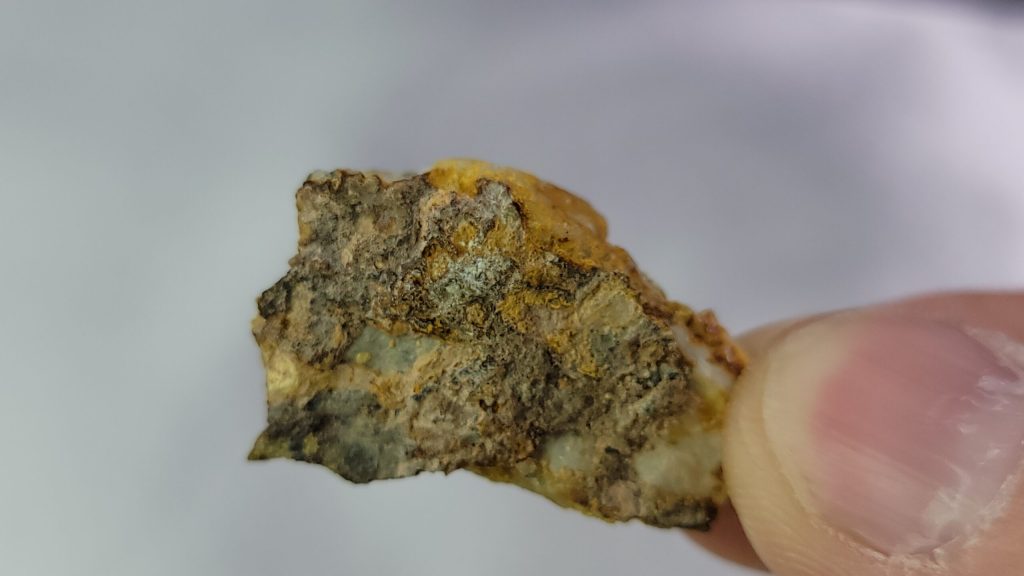
The processing of oxidized gold ore has long presented both challenges and opportunities for the mining industry. Oxidized gold ores typically form when sulfide ores undergo natural weathering and oxidation, often resulting in easier liberation of gold compared to refractory ores. However, despite their relatively simpler mineralogy, these ores can still vary widely in composition and response to conventional extraction techniques. In recent years, advancements in mineral processing technologies and reagent chemistry have led to significantly improved recovery rates of gold from oxidized ores, thereby boosting the profitability and sustainability of gold mining operations. One of the most significant improvements in processing oxidized gold ore involves the use of optimized heap leaching and agitated leaching techniques. Heap leaching, in particular, has become the preferred method for large-scale, low-grade oxidized gold ore operations due to its low capital and operating costs. By finely crushing the ore and applying specially formulated leaching solutions typically cyanide-based operators can effectively dissolve gold into solution. The use of pH control agents, advanced lixiviants, and improved ore permeability through agglomeration has enhanced leach kinetics and reduced processing time, directly contributing to higher gold recovery.
For ores with higher grades or more complex compositions, agitated leaching in tanks can yield even better recovery. This process involves finely ground ore mixed with leach reagents in agitated tanks, providing increased surface area contact and controlled reaction conditions. Coupled with the Carbon-in-Pulp CIP or Carbon-in-Leach CIL technologies, this method enable efficient gold adsorption and separation from the leach solution. The introduction of advanced resin technologies and activated carbon with higher gold-loading capacities has further increase the efficiency of the adsorption step. Another promising area of advancement is in the pre-treatment of oxidized gold ore that contain residual refractory components or carbonaceous material, which can interfere with gold recovery. Technologies such as ultra-fine grinding, flotation, and bio-oxidation help to liberate gold particles and remove interfering substances. Additionally, developments in sensor-based ore sorting and real-time grade monitoring allow for better ore classification and process control, ensuring that only optimal ore is sent through high-cost recovery circuits.
Environmental considerations also play a vital role in the efficient processing of JXSC oxidized gold ore. Modern processing plants are increasingly focused on reducing cyanide consumption, managing tailings more effectively, and reclaiming water for reuse. The integration of closed-loop systems and use of environmentally friendly reagents such as thiosulfate in place of cyanide in certain applications reflects a broader shift towards sustainable practices. In conclusion, the efficient processing of oxidized gold ore hinges on a combination of well-established and cutting-edge techniques that maximize gold recovery while minimizing operational and environmental costs. Through continuous innovation and process optimization, mining operations are now able to unlock greater value from oxidized ore deposits that were once considered marginal or uneconomical. This not only enhances profitability but also extends the life of gold mining assets, ensuring long-term benefits for operators and stakeholders alike.