Modern flooring designs have evolved dramatically, blending aesthetics with functionality to create spaces that are both beautiful and durable. Today’s flooring options are more versatile than ever, offering a variety of materials, colors, textures, and patterns to suit every style. Whether you prefer the timeless elegance of hardwood, the sleek look of tile, or the comfort of carpet, there are endless possibilities to make your space shine while withstanding the test of time. The fusion of design and strength ensures that you no longer have to sacrifice one for the other. One of the most sought-after trends in modern flooring is the use of natural materials. Wood, stone, and ceramic are popular choices due to their timeless appeal and resilience. Engineered hardwood, for instance, offers the same aesthetic beauty as traditional hardwood floors but with added strength and resistance to moisture. These materials are not only visually striking but also possess the durability to endure the wear and tear of daily life, making them perfect for both high-traffic areas and peaceful retreats.

Another emerging trend in flooring is the incorporation of bold colors and patterns. No longer restricted to neutral shades, modern flooring designs embrace vibrant hues and intricate patterns that can transform any room and a knockout post https://ahouseinthehills.com/the-ultimate-guide-to-hiring-a-flooring-contractor/. Whether it is a geometric pattern, a striking herringbone design, or a pop of color in a space, these bold choices can make a statement without overwhelming the room. The ability to personalize your flooring with unique designs brings an extra layer of creativity into interior decor, offering a chance to express individual style. Sustainability is also becoming a significant factor in flooring choices, as more consumers look for eco-friendly materials. Flooring made from recycled materials, such as reclaimed wood or bamboo, is gaining popularity. These options provide strength and beauty while minimizing the environmental impact.

In addition, many modern flooring designs feature low-VOC finishes and natural materials that contribute to healthier indoor air quality. Sustainability in flooring not only promotes a greener environment but also enhances the overall well-being of those living in the space. The functionality of modern flooring extends beyond beauty and sustainability to include comfort and ease of maintenance. Advances in technology have led to the development of flooring solutions that are easier to clean, more resistant to stains, and provide added comfort underfoot. For example, luxury vinyl and rubber flooring offer superior resilience and are perfect for areas such as kitchens, bathrooms, and gyms. These materials are designed to be both easy to maintain and comfortable to walk on, making them ideal for busy households. the integration of smart technology in flooring systems is a trend that is starting to gain traction. Heating systems embedded in floors, for instance, provide comfort during colder months without compromising on style

Cohesive services across architecture, engineering, and planning play a vital role in shaping the built environment and ensuring that projects are completed efficiently, sustainably, and in line with the needs of clients and communities. These services involve a highly integrated approach that brings together diverse expertise from various disciplines to work in harmony towards a common goal. Architecture provides the vision for a structure, focusing on design, aesthetics, and functionality, while engineering ensures that these designs can be practically realized, adhering to safety standards, structural integrity, and sustainability goals. Planning, on the other hand, is critical in ensuring that the project fits within the broader context of land use, zoning regulations, environmental considerations, and community needs. The synergy between these three fields leads to a seamless flow from conceptualization to execution. In the early stages, architects and planners collaborate to create a design that responds to the physical and regulatory constraints of the site. Once a vision is established, engineers bring the design to life, addressing aspects such as structural stability, mechanical systems, electrical layouts, and environmental impacts.

Services – Collins Rolston Architects Belfast, Northern Ireland

Their technical expertise ensures that the final design not only meets safety standards but also incorporates the latest innovations in energy efficiency and sustainable materials. This integrated approach minimizes risks, reduces redundancies, and ultimately leads to cost savings. Moreover, effective communication and coordination among the teams are essential throughout the lifecycle of the project and click to investigate in melaniejadedesign.com. Regular collaboration ensures that any challenges or changes in scope are addressed promptly, keeping the project on track and preventing costly delays. This cross-disciplinary teamwork also allows for the creative blending of solutions that might not be possible if each discipline worked in isolation. For example, architects might propose a design element that an engineer can optimize for energy efficiency, while a planner might suggest adjustments to meet local zoning requirements, enhancing both functionality and compliance. The benefits of cohesive services extend beyond the construction phase. A well-integrated project will be more adaptable to future changes, whether those involve expanding the building, upgrading systems, or adapting to new environmental standards.

In the long term, these services contribute to the durability and performance of buildings, ensuring that they remain functional, safe, and cost-effective for years to come. The combined expertise of architecture, engineering, and planning not only ensures the technical success of a project but also enriches the user experience, creating spaces that are not only practical and safe but also aesthetically pleasing and responsive to the community’s needs. This holistic approach also fosters innovation. With architecture, engineering, and planning working in tandem, new ideas can be explored, and cutting-edge technologies can be implemented. The blending of diverse perspectives often leads to solutions that are more forward-thinking, such as designs that integrate renewable energy sources, adaptive reuse of materials, or strategies to enhance accessibility and resilience in the face of climate change. The outcome is a built environment that is more sustainable, adaptable, and better suited to meet the evolving demands of society. Ultimately, cohesive services across architecture, engineering, and planning lead to more successful, enduring, and impactful projects.

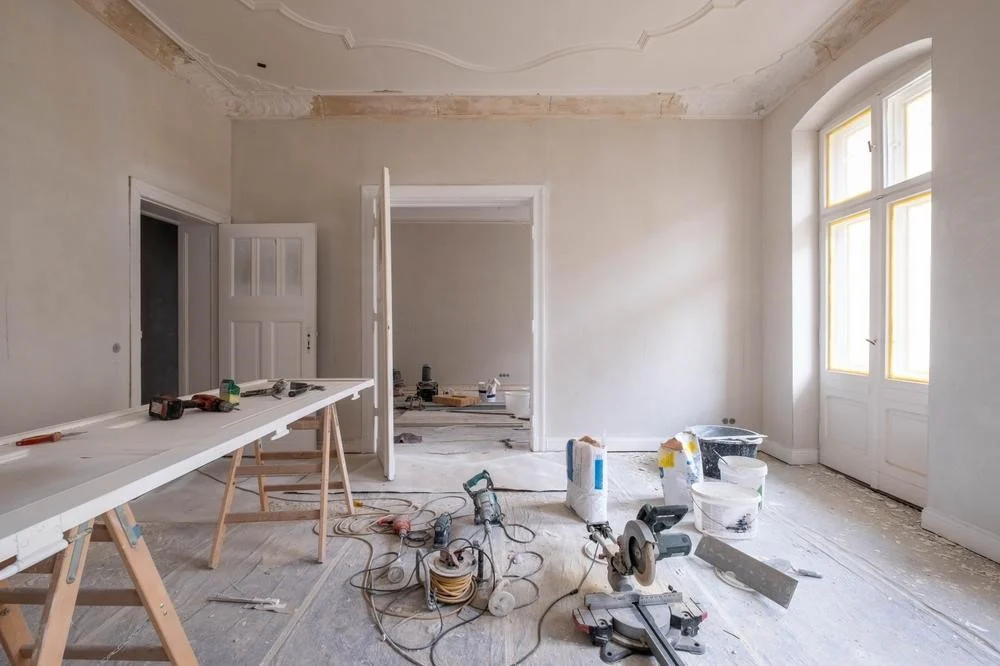
When it comes to home improvement, finding a professional service that respects your time, budget, and vision is key to achieving the results you desire without the common stress and setbacks that can accompany such projects. A trustworthy home improvement service prioritizes clear communication from the outset, ensuring that every detail of your vision is understood and carefully considered. They know that home improvements often reflect personal taste and lifestyle needs, so they take the time to discuss your goals and offer insights into how best to achieve them. One of the most crucial aspects of a professional service is its ability to work within your budget. While it is easy for costs to spiral out of control during home improvement projects, a reputable service will provide a realistic and transparent estimate, helping you navigate potential challenges without compromising on quality. They will be transparent about material costs, labor fees, and any unexpected issues that may arise, and offer alternative solutions to keep the project on track financially. By working collaboratively with you, they ensure that your financial limits are respected while still delivering a high-quality finished product.

home renovations

Respecting your time is another hallmark of a top-tier home improvement service. They understand that home renovations can disrupt your daily routine, so they work efficiently to complete tasks on schedule. This means setting realistic timeframes, providing accurate completion dates, and sticking to them as closely as possible. Professionals will communicate regularly to keep you informed about the progress and address any delays promptly. They also minimize disruptions by maintaining a clean work environment, ensuring that your home remains livable throughout the process. Adherence to timelines and budgets is not just about being punctual and cost-effective it is also about delivering a final product that aligns with your vision. The best home improvement services go above and beyond to ensure that the results not only meet but exceed expectations. They understand that quality workmanship is about more than just installing new fixtures or repairing a structure; it is about creating an environment that enhances your living space, reflects your style, and improves your day-to-day life.

Moreover, a professional service will be licensed and insured, giving you peace of mind that the project is in capable hands. Their team of skilled experts will handle all aspects of the renovation, from design and planning to execution and clean-up. This reduces the burden on you, allowing you to focus on other areas of your life while the project moves forward smoothly. In essence, a home improvement service that respects your time, budget, and vision creates a seamless experience from start to finish. With careful planning, skilled craftsmanship, and an unwavering commitment to customer satisfaction, they transform your home into a place that reflects your needs and desires while ensuring the entire process remains manageable and stress-free. Whether you are renovating a single room or undertaking a larger-scale project, choosing the right professional service can make all the difference in achieving your dream home.

Smart pest control strategies have evolved significantly, focusing on safer, eco-friendly methods that reduce harm to both the environment and human health. Traditional pest control often relied heavily on chemical pesticides, which, while effective, posed risks to non-target species, water sources, and soil health. Modern solutions emphasize an integrated approach that combines prevention, biological controls, and technological advancements to create a more sustainable and effective system. By reducing dependency on harmful chemicals and incorporating smarter monitoring techniques, pest control today is not just about elimination but about maintaining long-term ecological balance. One of the key aspects of intelligent pest management is the use of biological control agents such as beneficial insects, bacteria, or fungi that naturally suppress pest populations. This method reduces the need for synthetic chemicals and allows nature to regulate infestations in a balanced manner. This approach not only ensures effectiveness but also preserves biodiversity and prevents the emergence of pesticide-resistant pests.

Pest Control

Another innovative strategy involves habitat modification and exclusion techniques to deter pests from entering living and working spaces. Sealing entry points, using pest-resistant materials, and maintaining clean environments can significantly reduce infestations. Smart waste management also plays a crucial role, as food scraps and clutter create breeding grounds for pests. By limiting access to food and shelter, these proactive measures make it less likely for pests to establish themselves, reducing the need for reactive treatments. Technology has revolutionized pest control by introducing smart monitoring systems that detect infestations early and provide targeted responses. Sensors, automated traps, and AI-driven analytics allow for real-time tracking of pest activity, ensuring precise intervention before populations grow uncontrollable. These tools help reduce unnecessary pesticide use by applying treatments only where needed. In agriculture and urban settings, drone technology and remote sensing are being utilized to monitor and manage pest populations efficiently without excessive environmental disruption.

Eco-friendly chemical alternatives have also gained popularity as part of PestFreeMike pest control. Botanical extracts, essential oils, and bio-based repellents offer effective solutions without the toxicity associated with conventional pesticides. These products work by disrupting pests’ sensory functions, deterring them naturally without contaminating the surrounding environment. Some bio-pesticides target specific pests while leaving beneficial species unharmed, ensuring a balanced ecosystem and reducing long-term ecological damage. Education and awareness play a fundamental role in smart pest management by encouraging individuals and businesses to adopt preventive measures and responsible control methods. Training programs and awareness campaigns highlight the importance of early detection, sustainable practices, and community involvement in keeping pest populations under control. Homeowners, farmers, and businesses that implement best practices collectively contribute to a safer and healthier environment, reducing the overall need for aggressive pest control methods.