
Hot take: most people don’t “overpay” for a metal card because it’s metal. They overpay because they don’t model the whole cost: fees, replacement friction, rewards breakage, and perks they’ll never actually use.
And yeah, the weight feels good. That’s part of the psychology. But the math still wins.
So what are you really buying?
A metal card isn’t a slab of stainless steel with a chip glued on. You’re buying a bundle, and understanding metal card pricing helps clarify what that bundle actually includes:
– payment functionality that has to survive real abuse (wallets, heat, bending, airport bins)
– a service layer (support, concierge, claims handling)
– an earning engine (cashback/points, category multipliers, bonuses)
– a set of “soft” benefits (lounges, credits, status, protections)
One-line truth:
A metal card that you hate using is an expensive paperweight.
In my experience, utilization is the quiet driver of value. People use the card they like holding, so they consolidate spend, so rewards rise… and that’s how a “premium” product can actually justify itself. Or not. Depends on your habits.
The physical card: materials, build, and why pricing swings so hard
Here’s the thing: “metal” covers a lot of territory. Different alloys behave differently in manufacturing, wear differently in pockets, and fail differently around embedded components.
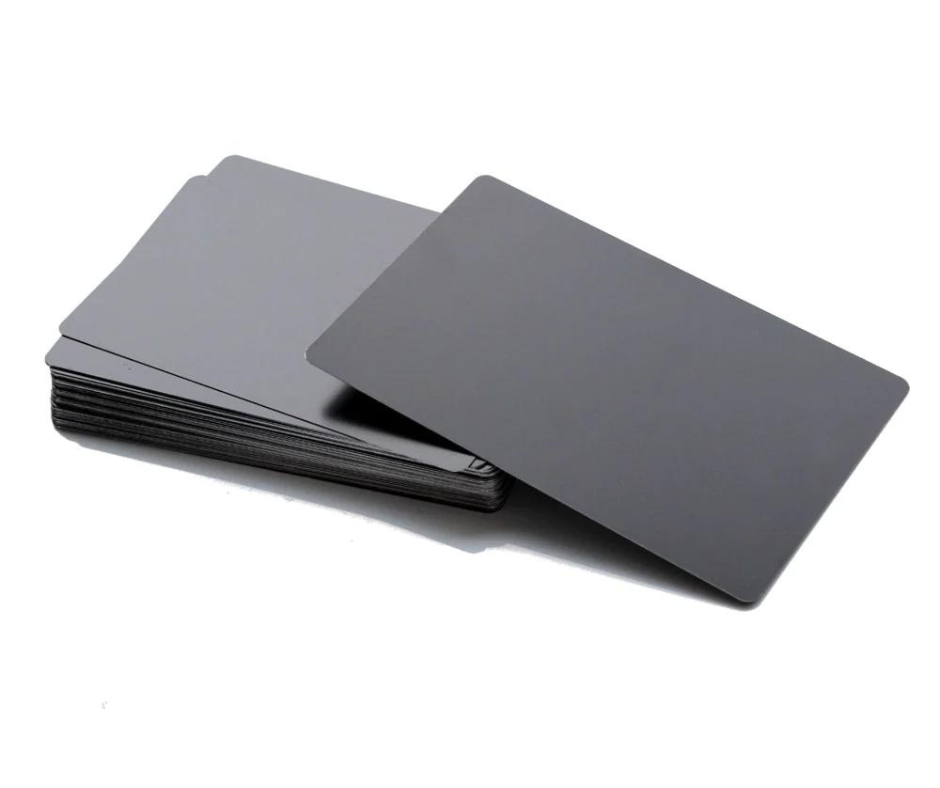
Material choice (what it’s made of)
Stainless steel, aluminum, titanium blends, plated alloys… all of that impacts:
– raw material cost
– machining time (tool wear is real)
– final weight and stiffness
– surface finishing difficulty
A thicker card can feel premium, sure, but thickness also pushes tolerances and can create downstream issues (wallet fit, reader alignment, contactless antenna performance if the architecture isn’t designed well).
Manufacturing method (how it’s built)
If you’re comparing card programs, especially custom or brand-issued cards, ask how they’re made:
– Machining/CNC: great precision, slower, pricier per unit
– Casting: cheaper at scale, but finish and tolerances vary
– Hybrid builds (metal shell + polymer core): common because contactless and chip integration can get tricky with full-metal constructions
Tighter tolerances raise cost because inspection and scrap rise. That’s not theory; it’s factory reality. If a run has poor yield, you pay for it somehow, either in the unit price or in “replacement policies” that quietly become restrictive.
Perks are part of the price (even if you ignore them)
This is where issuers get you. You see a metal card and think you’re paying for the object, but a large chunk of the economics sits in benefits administration: lounge contracts, insurance underwriters, service staffing, partner reimbursements.
Some perks are legitimately valuable. Others are confetti.
Opinionated rule I use: if a perk requires you to “remember to use it” every month, you’ll probably miss half of it.
Upfront fees vs ongoing costs (the budget killer nobody models)
A lot of pricing pages highlight the annual fee like it’s the whole story. It isn’t.
Upfront costs: the “get in the door” spend
This can include enrollment, setup, shipping, and customization. Some programs bundle design features into the initial price; others nickel-and-dime you:
Engraving fee. Special finish fee. Replacement of a personalized card fee. “Premium shipping” fee.
You get the idea.
Ongoing costs: where the pain shows up later
This is the list that tends to wreck the budget:
– annual or monthly membership fees
– replacement fees (lost/stolen, damaged, name change)
– foreign transaction fees
– interest cost if you carry balances
– opportunity cost (you chose this card instead of another that earns more on your real categories)
Now, this won’t apply to everyone, but if you carry a balance, the APR overwhelms basically everything else. Rewards don’t “out-earn” interest in the real world.
A grounding data point: the U.S. Federal Reserve has reported credit card interest rates in the 20%+ range in recent years, with averages above 20% for accounts assessed interest (Federal Reserve Economic Data, FRED series on commercial bank credit card rates). Source: https://fred.stlouisfed.org
That’s not a small drag. That’s a value crater.
Personalization: fun, expensive, and sneakily sticky
Personalization is where prices become non-linear. A simple logo print is one thing. Anything that adds steps, tooling, or special QA can spike cost.
Common upcharges include:
– laser engraving (especially deep engraving)
– serial numbering
– custom color fills
– inlays (think contrasting metals)
– special coatings (matte, mirror, PVD-style finishes)
One practical warning: customization can make replacement more annoying. If you’re the type who loses a wallet once every couple of years, don’t pretend replacement friction is “rare.” It’s predictable.
Engineering tolerances: the boring part that decides if the card is actually good
Some sections deserve to sound like a lab report.
Precision matters because payment hardware is finicky: chip placement, antenna performance (for contactless), edge finishing, and lamination quality all affect failure rates. Tighter tolerances usually mean:
– better consistency across runs
– fewer out-of-spec cards
– lower defect and reissue volume
But, and this is the part most buyers miss, beyond a certain point, tighter specs create diminishing returns. You pay more for inspection time, tooling wear, and slower cycle times, but the real-world durability improvement is marginal.
If you’re evaluating a custom metal program, ask for defect rate history or warranty claim rates. If they won’t provide anything, assume you’re funding their learning curve.
Annual fee, rewards, and interest: the levers that actually “move the needle”
Want a simple framework? Model net value like this:
Net annual value = rewards earned + credits used + perk value you actually redeem − annual fee − expected fees
That “actually redeem” part is the entire game.
Rewards: earn rate is useless without redemption realism
A card can advertise big multipliers and still underdeliver because of:
– category caps (you hit them in three months)
– redemption restrictions
– point devaluation risk
– blackout-ish dynamics (not always literal blackout dates, but limited award inventory)
If you don’t travel often, travel points can become a fancy coupon you never cash in.
Interest: if you revolve, stop pretending perks matter
Look, I’m not moralizing. I’m just doing arithmetic. If you carry a balance at ~20%+ APR, you need unusually high rewards and flawless behavior to come out ahead. Most people won’t.
Airline/hotel partnerships: real value or marketing glitter?
Partnerships can be fantastic. They can also be dead weight.
Ask yourself:
Do you already fly that airline or stay at that hotel chain enough to benefit from the status ladder?
Transfer ratios and transfer speed matter. So does the actual availability of good redemptions. I’ve seen people stockpile points for years waiting for a “perfect” trip, then redeem at mediocre value because plans change.
One more angle people skip: if your partner perks push you toward more travel spend than you would’ve done otherwise, you’re not “winning.” You’re being nudged.
Usage limits & rewards realization: where the spreadsheet meets reality
Rewards realization is basically conversion efficiency: how much of your earned value becomes usable value.
Watch out for:
– quarterly category caps
– monthly credit structures (use-it-or-lose-it)
– minimum redemption thresholds
– tiered earning that only kicks in at high spend
Also, credit limit matters in a weird way. Higher limits can help utilization and flexibility, but they can also rationalize overspending (“it’s fine, I’m earning points”). That’s a behavioral trap, not a finance hack.
Budgeting tactics (a little messy, because life is messy)
Here’s how I’d compare metal cards like a pro, without turning it into a 40-tab spreadsheet.
Step 1: Build your spending map.
Dining, groceries, travel, gas, “everything else.” Use last 3, 6 months.
Step 2: Price the card for 12 and 24 months.
Upfront + annual fees + expected replacement fees (use your own history, not optimism).
Step 3: Value the perks at what you’d pay in cash.
If lounge access is “nice” but you wouldn’t buy it, it’s not worth $500. It’s worth maybe $0, $50 in your model. Be harsh.
Step 4: Stress-test with three scenarios.
– best case (you optimize everything)
– typical (you behave like a normal human)
– worst case (you miss credits, travel less, replace the card once)
If the card only wins in the best case, it’s not a good pick. It’s a performance.
Quick scenarios: which metal card fits your wallet?
If you travel a lot (and you’re organized)
Pay for perks that are automatic: lounge access you’ll use, strong travel insurance, meaningful transfer partners. If the value requires monthly coupon redemptions, you’ll eventually slip.
If groceries and dining are your life
Multipliers matter more than prestige. A metal card with weak everyday categories is just decoration. Get the one that matches your receipts, not your aspirations.
If you want simplicity
Flat-rate cashback with a manageable annual fee (or none) beats a complex points system you won’t optimize. I’ve seen “simple” outperform “premium” for years straight because the user actually sticks with it.
The final nuance before you commit
Metal is the wrapper. The product is the system behind it: pricing structure, replacement rules, reward economics, and whether the benefits fit how you already live.
If the numbers work and you like using it, great. If you’re forcing it, it’s probably the wrong card, no matter how good it looks when it hits the table.