
Revolutionary advancements in prosthetics have significantly transformed the lives of individuals with limb loss, providing not only enhanced functionality but also boosting confidence and comfort in ways that were once thought impossible. These innovations are shaping the future of prosthetics, making them more accessible, comfortable, and adaptive to the unique needs of users, offering a new sense of independence and self-assurance. One of the most notable advancements is the development of prosthetics that are highly customizable to each user’s body and lifestyle. These state-of-the-art prosthetics are designed with advanced materials that offer a perfect balance between strength, flexibility, and lightweight comfort. Unlike the bulky and rigid designs of the past, modern prosthetics are tailored to fit the specific measurements of each individual, ensuring a more comfortable and natural experience. This has had a profound impact on users, allowing them to engage in activities that they may have once considered out of reach, such as walking, running, swimming, or even playing sports.
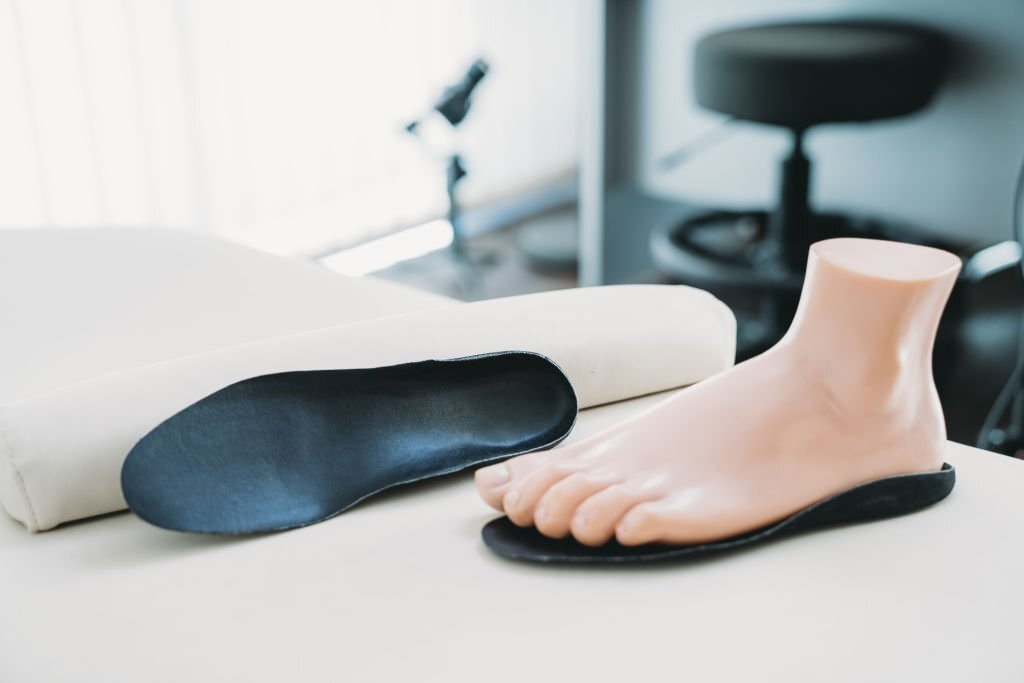
Additionally, prosthetics now come with enhanced technology that enables users to control their devices with greater ease. Advanced sensors and microprocessors allow for precise control of prosthetic limbs, enabling users to perform a wide range of actions with remarkable fluidity and ease. For instance, myoelectric prosthetics use electrical signals from the user’s muscles to control the limb, creating a more intuitive and responsive experience. This technology has been particularly empowering, as it allows for greater independence and functionality without relying on external assistance https://seaislenews.com/role-prosthetics-amputee-rehabilitation-restoring-mobility-independence/. Whether it is the fine motor skills needed for everyday tasks, such as typing or holding objects, or more complex movements, such as gripping or lifting, these prosthetic advancements offer unparalleled versatility. One of the most significant breakthroughs is the integration of smart prosthetics. These next-generation devices can now interact with external technology, such as smartphones and computers, making it easier for users to adjust settings, track performance, and receive maintenance updates.
These prosthetics can also collect data that helps medical professionals monitor the progress of the user’s rehabilitation, ensuring that the prosthetic limb continues to function optimally as the user’s body changes over time. This seamless connection between the prosthetic and digital platforms enhances both the effectiveness and convenience of the devices. Beyond the technical improvements, prosthetic advancements also place a strong emphasis on the aesthetic appeal of the devices. With customizable designs, users can select colors, textures, and patterns that reflect their personal style and preferences. This not only promotes a sense of individuality but also helps combat the stigma that some people may feel when wearing a prosthetic limb. The ability to choose a prosthetic that suits their personality and lifestyle plays a crucial role in boosting users’ confidence, making them feel more empowered and self-assured.